
What happens when one of the world’s most celebrated chefs turns his attention to plants? You get the Marcus Samuelsson Back to Green cookbook. A beautiful reminder that food, culture, and nourishment have always belonged together.
When Chef Marcus Samuelsson talks about food, I pay attention. Not just because he’s an award-winning chef and restaurateur, but because he understands something I’ve believed for years: food tells a story about who we are, where we come from, and how we care for ourselves.
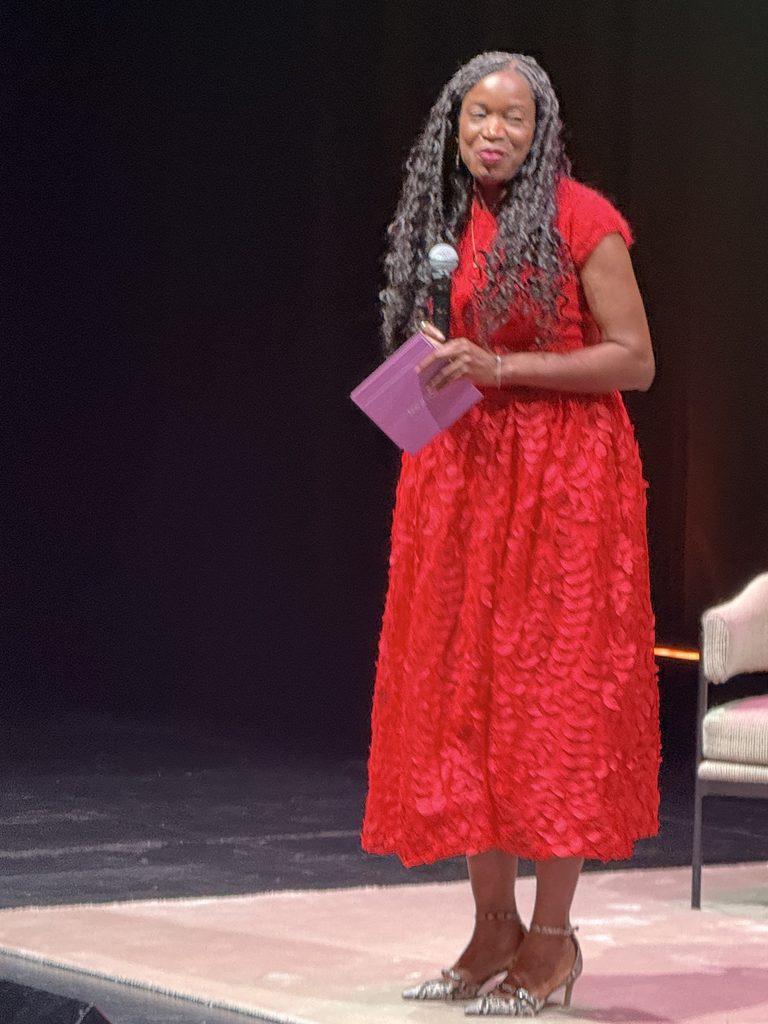
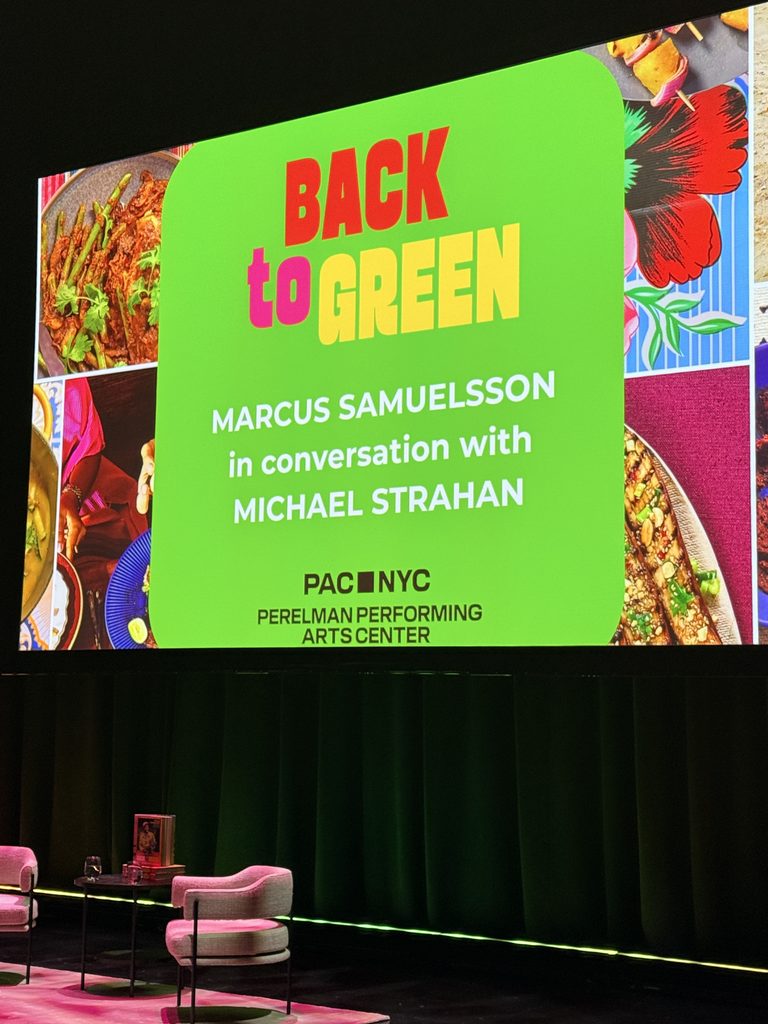
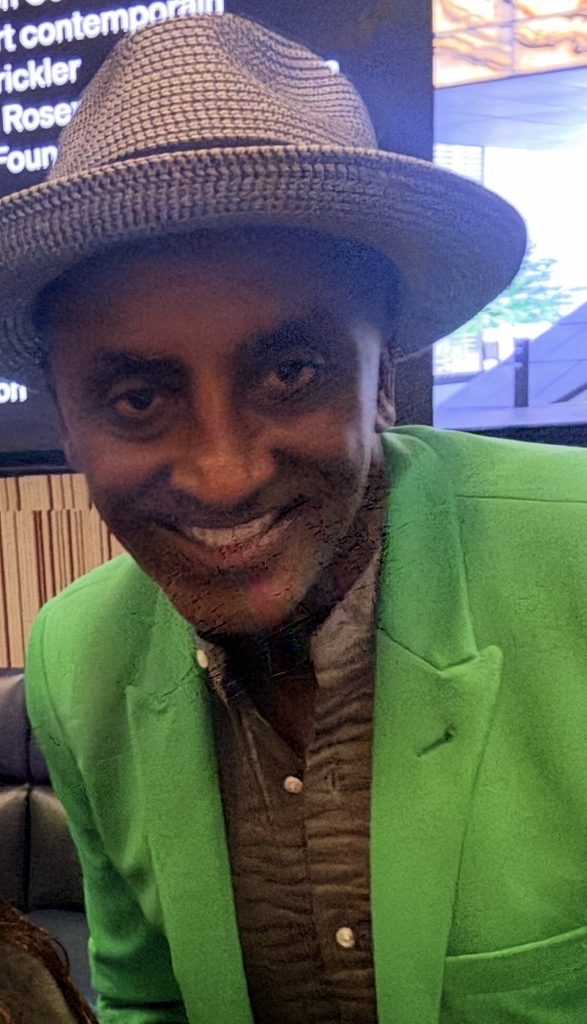
Earlier this fall, I attended the New York City launch of his new cookbook, Back to Green: Rediscovering a World of Delicious, Healthy Eating. The evening featured Samuelsson in conversation with television personality and one of our favorite NY Giants, Michael Strahan at the oh so beautiful Perelman Performing Arts Center.
I was excited to hear what Marcus had to say about plant-forward cooking. After all, this is the very conversation I’ve been having with my Black Girls Eat community for years.
And let me tell you, the book is gorgeous. Did mention that it was written with Jamila Robinson???? The Culinary Queen and Editor in Chief for Bon Appétit?
Inside the Marcus Samuelsson Back to Green Cookbook
Back to Green is much more than a collection of recipes. It’s an exploration of the ingredients, people, cultures, and traditions that have nourished communities around the world for generations. And the plants are the stars.
Samuelsson draws inspiration from Africa, Asia, the Caribbean, and the Americas, reminding us that plant-forward cooking isn’t a brand-new discovery. Sometimes we just have to remember who we are.
Long before anyone began putting the words “plant-based” on a food package, people were building flavorful meals around beans, grains, greens, vegetables, fruits, and spices.
Consider ingredients like teff, coconut, rice, corn, plantains, and chiles. These ingredients have been part of global food traditions for centuries.
That’s one of the things I love most about this cookbook. It invites us to appreciate ingredients that may already be familiar to us while discovering new possibilities for bringing them to the table.
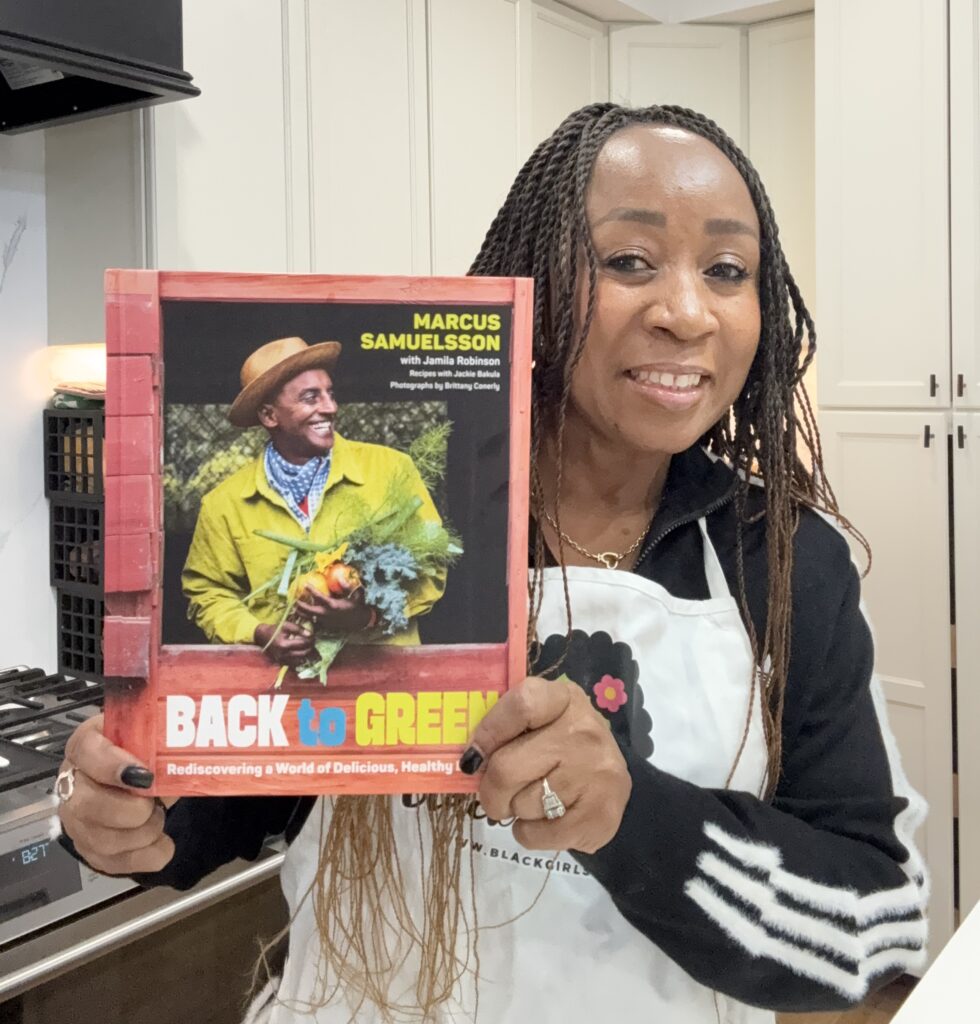
Plant-Forward Food Should Be Nourishing, Delicious, and Fun
During his conversation with Michael Strahan, Samuelsson spoke about the importance of making nourishing food delicious and fun. Now that’s a message I can get behind! Too often, conversations about nutrition focus on sacrifice. We’re told what we shouldn’t eat, what we need to eliminate, and all the things we’re supposedly doing wrong.
Honestly, where’s the joy in that?
At Black Girls Eat, it’s all about expanding our food vocabulary and finding more ways to get more fruits, grains and veggies on our plates.
It doesn’t have to be complicated. You can add some roasted vegetables to your favorite pasta. If you are a yellow rice and black beans person, try kidney beans next time or white beans. You can always find me adding a handful of greens to my soup. Discover a new grain or experiment with a vegetable you’ve walked past a hundred times in the grocery store.
These are small steps, but they can introduce new flavors, textures, and nourishing ingredients without you feel insane. And if we’re going to make lasting changes to how we eat, those changes should taste good.
Back to Green: Food, Wellness, and Preventing Chronic Disease
One of the remarks that stayed with me from the evening was Samuelsson’s observation that other cultures often approach food as a way to help prevent illness, while Americans are often quick to turn to the pharmacy.
His comparison made me think about the relationship between what we eat and how we care for our bodies.
My own journey into plant-based nutrition began after a health scare. At the time, I didn’t know much about eating plant-based, and I certainly didn’t imagine that the experience would eventually lead me to create Black Girls Eat.
But as I began learning more about fruits, grains, vegetables, and legumes, I started thinking differently about food.
No single food is a magic fix, and what we eat doesn’t replace medical care. But here’s what we do know: adding more nourishing foods to our plates can make a real difference. Research continues to show that the way we eat plays an important role in how we feel, how we age, and how we lower our risk of certain chronic diseases.
For me, that makes food education especially important. When we understand how to bring more nourishing ingredients into familiar meals, we gain practical choices we can use every day.
How Marcus Samuelsson Celebrates Global Food Traditions
One of the most meaningful elements of Back to Green is its celebration of food heritage. Food carries memory.
It’s the meal your grandmother made on Sundays. The ingredients that remind you of home. The dishes served at family celebrations. The recipes shared across generations, sometimes without a single measurement written down.
And here’s something I feel strongly about: choosing to eat more plants doesn’t mean abandoning those traditions. In fact, it can be a way of honoring them.
A pot of collard greens, a hearty bowl of beans and rice, sweet potatoes, or a vegetable stew can remind us that plant-forward ingredients have always been part of our food stories.
We don’t have to erase our cultural identities to explore new ways of eating. We can celebrate our roots while making room for new ingredients, cooking techniques, and possibilities.
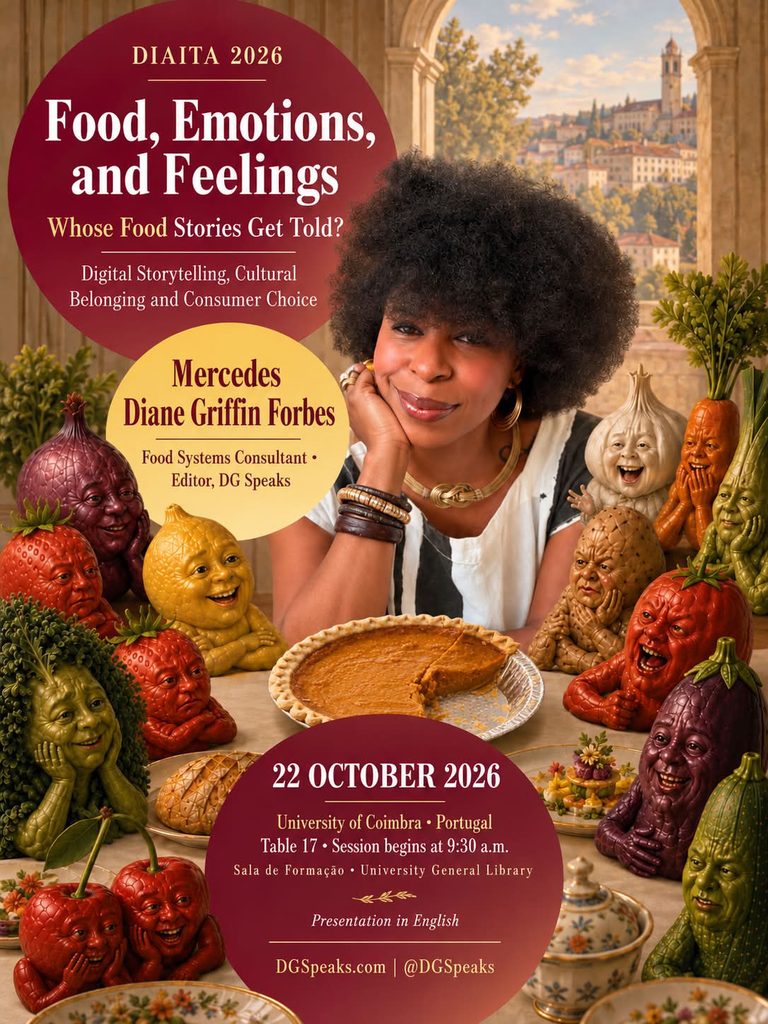
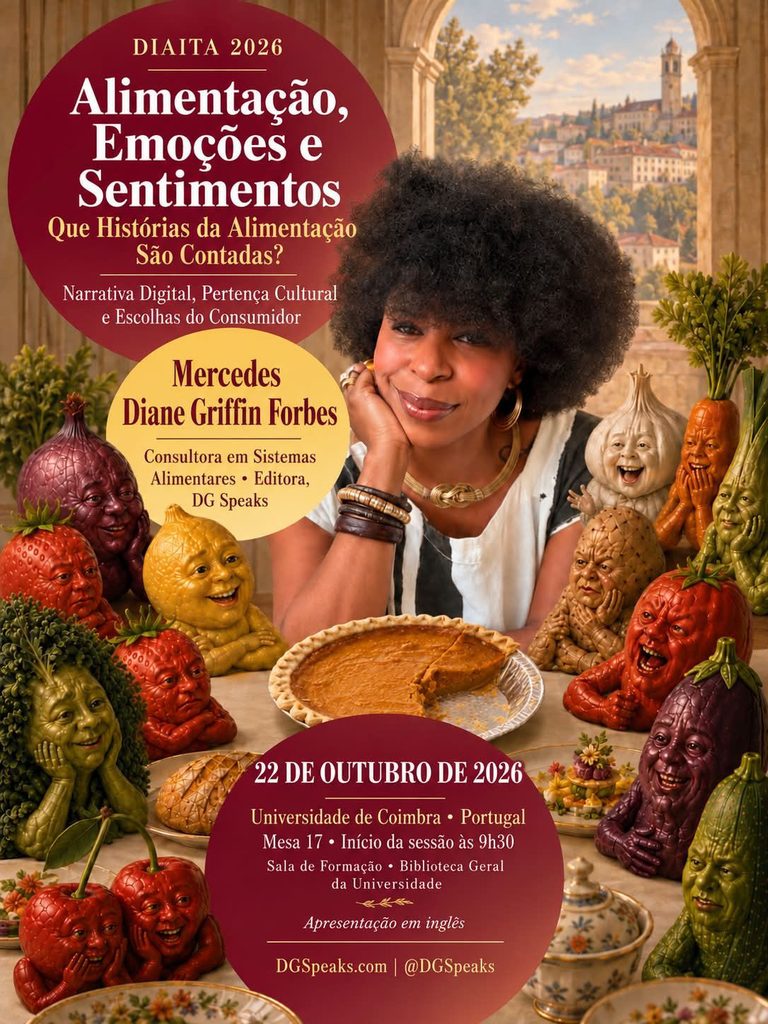
Recently, Mercedes Diane Griffin Forbes presented my work at the 12th Luso-Brazilian Colloquium on Heritage, History, and Food Cultures in Portugal. Her presentation explored whose food stories get told, the importance of cultural belonging, and how those stories influence consumer choice.
Imagine that. A girl from the Bronx building a platform around plant-forward eating, and that work becoming part of an international conversation about food and culture! Thank you DG!
Plant-Forward Recipes That Caught My Attention
As I explored the cookbook’s approach, I was excited by the range of ingredients and dishes. I know for sure that I will be trying to create the Lentil Salad with a Coconut Tumeric Vinaigrette. There’s also a Rice Noodle Bowl with Ginger and Garlic Broth calling my name.
I appreciate that the recipes invite readers to explore flavor without losing sight of the nourishment that vegetables, legumes, fruits, and grains can offer. And yes, I said readers. I love reading this cookbook as much as I love reading a great novel.
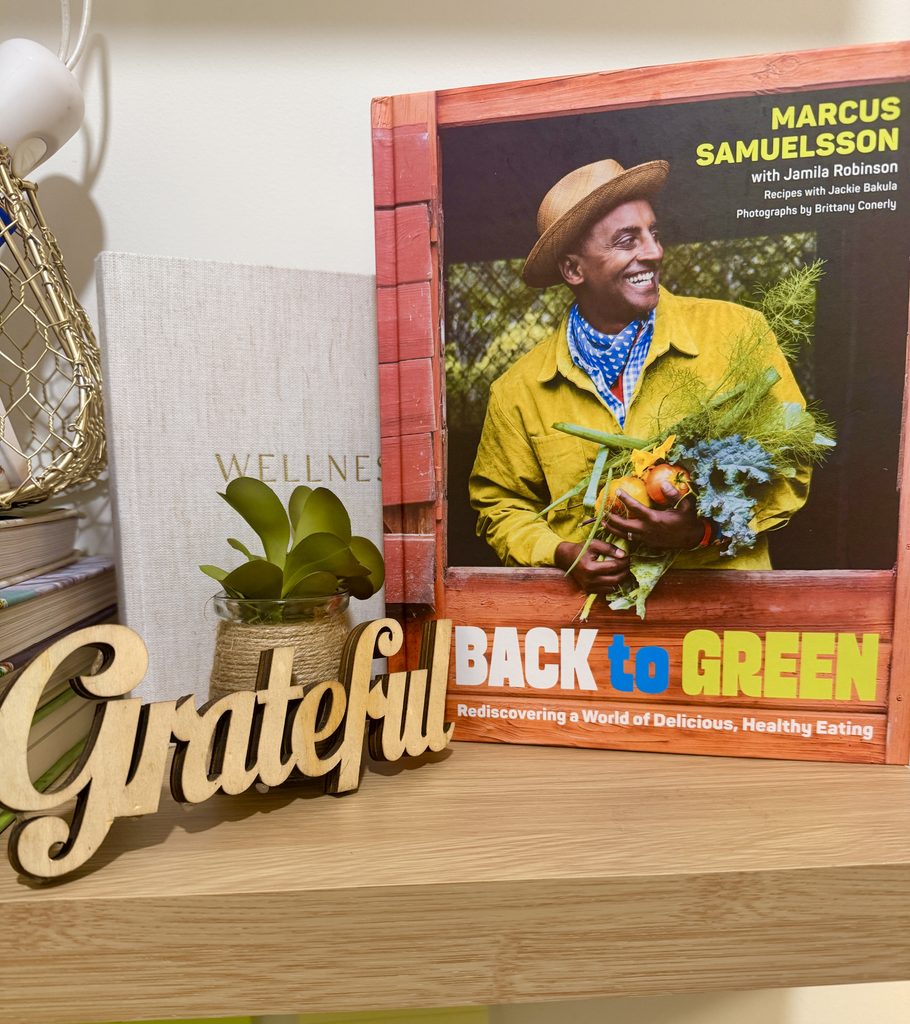
One more important thing to note: Back to Green is plant-forward, not exclusively vegan or vegetarian. The book also includes fish and other animal-based foods. That distinction matters because plant-forward eating can look different from one household to another.
For some people, it means eating completely plant-based. For others, it means adding more plants to meals they already love. There’s room for both conversations.
What The Conversation Left Me Thinking About
I left the evening thinking about how much common ground there is between Samuelsson’s message and the mission behind Black Girls Eat.
We’re both interested in helping people rediscover the value of nourishing ingredients.
We’re both celebrating the cultures and communities that have shaped our food traditions.
And perhaps most importantly, we’re reminding people that food should bring pleasure as well as nourishment.
You don’t have to become a professional chef, overhaul your kitchen, or abandon your favorite dishes to make room for more plants.
You can start with something familiar, add something new, and see where the experience takes you.
That’s what plant-forward living means to me.
And that’s why the Marcus Samuelsson Back to Green cookbook is becoming a new favorite in my house!
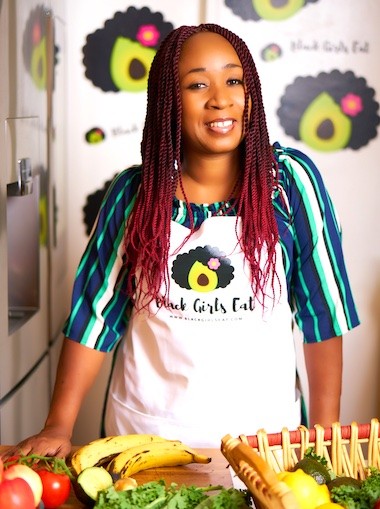
LA Dunn is a Bronx Girl in a Plant-Based world. Visit often for easy plant-forward recipes, shopping tips and guidance for enjoying plant-based foods when out and about at concerts, events and conferences.
Have you discovered a new fruit, vegetable, grain, or plant-based ingredient that has become a regular part of your meals? Tell me about it in the comments!
Want to stay connected?
- Subscribe to the newsletter, Recipes & Random-Ish
- Subscribe to the new YouTube Channel https://www.youtube.com/@blackgirlseat
- Follow on Instagram @blackgirlseat
- Shop with LA at the Black Girls Eat Shop on Amazon
- Take the easy five day email class, Introduction to Plant-Based Nutrition
Leave a Reply