
There is nothing quite like food poisoning to make you suddenly aware of your gut. One bad meal can leave you with stomach cramps, fever and of course the desire to never be too far from the bathroom. When you survive it, you often emerge exhausted, dehydrated, bloated, and questioning everything you eat afterward. After recently dealing with food poisoning myself, I became even more curious about gut health and what it takes to keep my belly happy.
That curiosity led me to take a closer look at prebiotics, probiotics, and postbiotics — three terms that sound similar but play very different roles in gut health and wellness. Because of my nutrition classes, I was able to get into my textbooks to learn more about healing my gut.
I was familiar with probiotics but pre and post were new to me. We hear so much about “healing the gut” these days, but what does that really mean? So let’s get into it.
Why Gut Health Matters
Inside your digestive tract lives a massive ecosystem of bacteria, fungi, and microorganisms known as the gut microbiome. Some bacteria are helpful, some are harmful, and many are neutral. The goal is not to eliminate bacteria altogether but to create balance. A healthy gut supports immunity, mood, energy, nutrient absorption, and even brain function.
When your gut microbiome is healthy, your body is better able to:
- Digest food efficiently
- Absorb nutrients
- Support immune function
- Reduce inflammation
- Regulate mood and stress
- Maintain regular bowel movements
- Protect against harmful bacteria
When your gut is out of balance, you may experience symptoms like:
- Bloating
- Gas
- Constipation
- Diarrhea
- Fatigue
- Brain fog
- Frequent illness
- Skin issues
- Food sensitivities
Food poisoning can temporarily disrupt the gut microbiome because harmful bacteria often overpower the beneficial bacteria living in the digestive tract. Recovery can take days or even weeks depending on the severity. Overpower is an understatement!
That is where prebiotics, probiotics, and postbiotics come in for supporting gut health.
What Are Probiotics?
Probiotics are live beneficial bacteria that help support the gut microbiome. Think of them as the “good bacteria” that help restore balance in your digestive system. After food poisoning, antibiotics, stress, or illness, probiotic-rich foods may help replenish healthy bacteria that were depleted. I knew this already so when I started feeling ill, I reached for my probiotics and some Kombucha.
Check out this list of probiotic foods that you might easily find in your community:
- Yogurt with live cultures
- Kefir
- Sauerkraut
- Kimchi
- Miso
- Tempeh
- Kombucha
For people with a focus on adding more plants to their plate, fermented foods can be an excellent way to naturally introduce probiotics into the diet. It’s important to note that not all probiotic supplements work the same for every body. It’s also important to remember that probiotics cannot do their job alone. Beneficial bacteria need fuel to survive and thrive.
That fuel comes from prebiotics.
What Are Prebiotics?
Prebiotics are types of fiber that feed the healthy bacteria already living in your gut. If probiotics are the seeds, prebiotics are the fertilizer. Unlike probiotics, prebiotics are not live bacteria. Instead, they are compounds found in plant foods that beneficial bacteria love to eat.
Some of the best prebiotic-rich foods include:
- Garlic
- Onions
- Bananas
- Oats
- Asparagus
- Apples
- Flaxseeds
- Chicory root
- Beans and legumes
Try These Plant-Based Recipes for Prebiotic Power
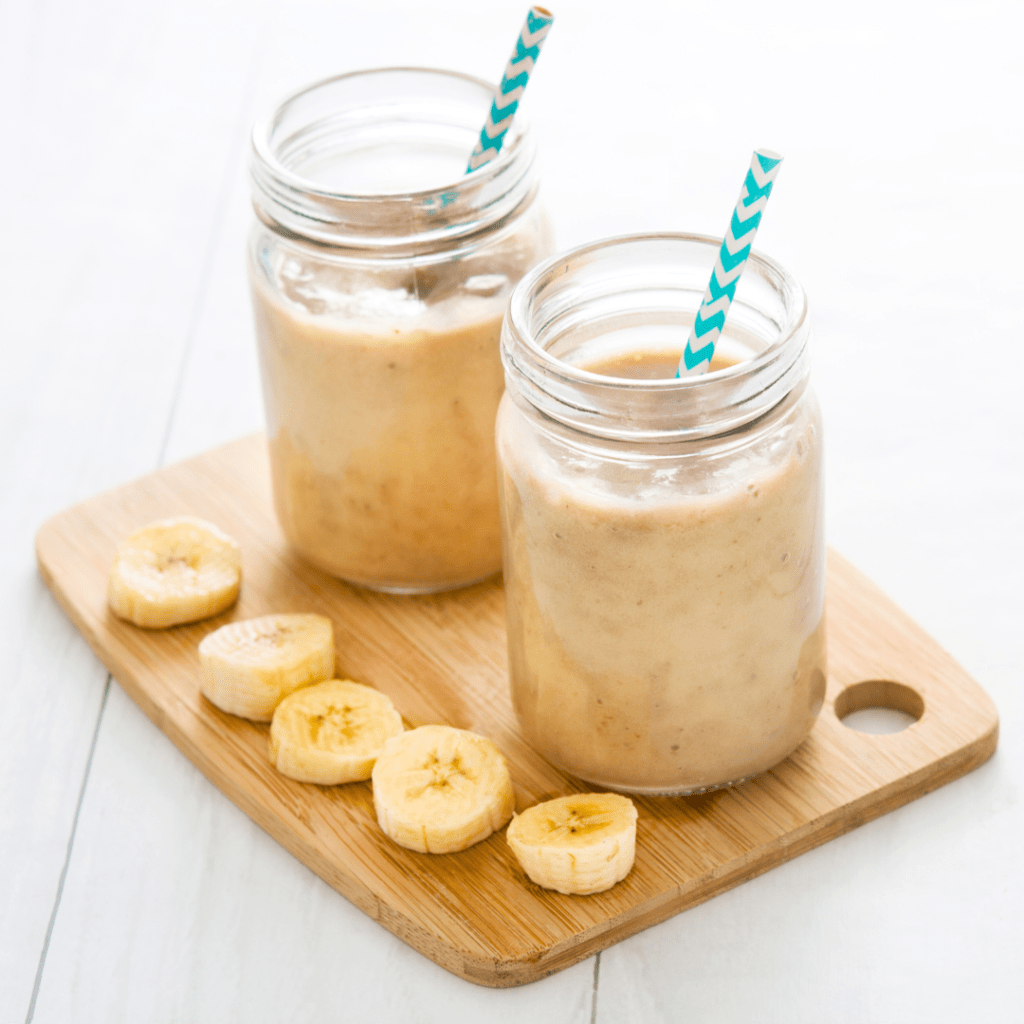
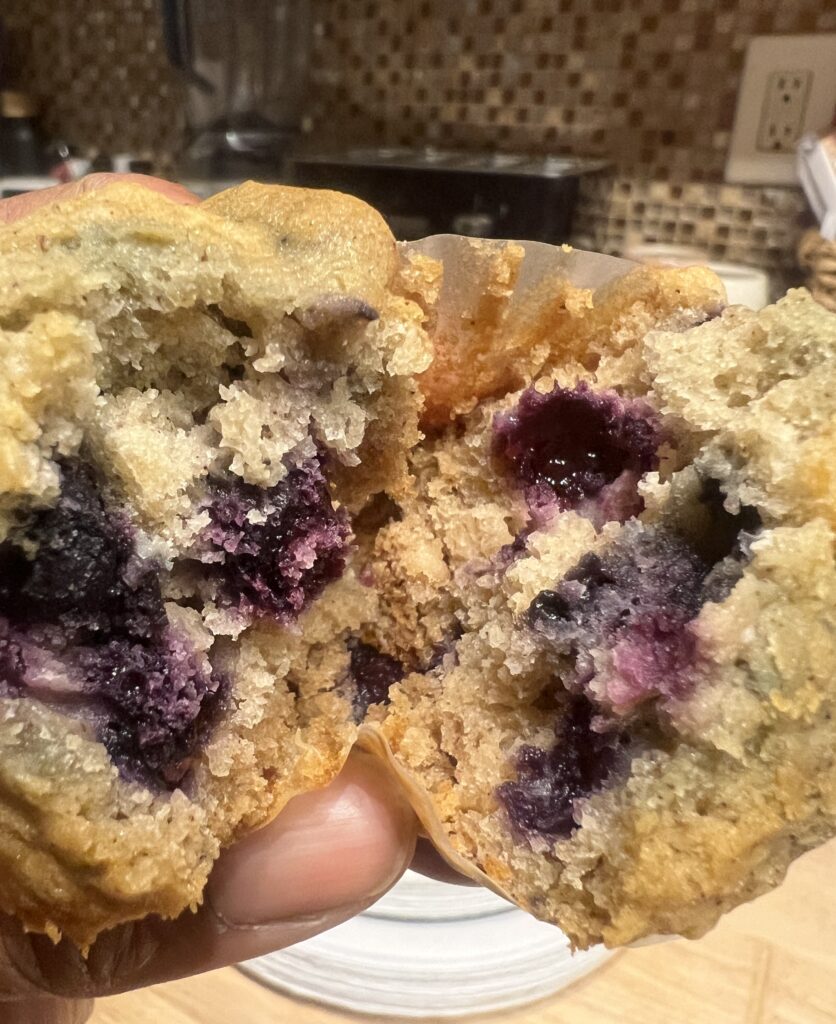
One of the beautiful things about plant-based eating is that many whole plant foods naturally contain prebiotic fiber. This is one reason why diets rich in fruits, vegetables, legumes, and whole grains are associated with better gut health and wellness. When beneficial bacteria consume prebiotics, they produce important compounds that support the body. Those compounds are called postbiotics.
What Are Postbiotics?
Postbiotics are the beneficial byproducts created when probiotics digest prebiotics. Foods rich in fiber help the body naturally produce more of these beneficial compounds.This is the newest term in the gut health conversation, but researchers are becoming increasingly interested in the role postbiotics play in overall wellness.
In simple terms:
- Probiotics are the beneficial bacteria
- Prebiotics feed the bacteria
- Postbiotics are the helpful substances produced afterward
Some potential benefits of postbiotics may include:
- Supporting the immune system
- Reducing inflammation
- Strengthening the gut lining
- Helping regulate metabolism
- Supporting colon health
Gut Health Is About More Than Digestion
What surprised me most after learning more about the gut is how connected it is to the rest of the body. Scientists often refer to the gut as the “second brain” because of the communication between the gut and the brain through the gut-brain axis. In fact, much of the body’s serotonin — a neurotransmitter associated with mood — is produced in the gut.
This may help explain why digestive issues sometimes overlap with stress, anxiety, or fatigue.
The gut also plays a major role in immune health. Around 70% of the immune system resides in the gut, which means caring for your digestive system may also help your body better defend itself against illness.
Simple Ways to Support Gut Health Naturally
You do not need an expensive wellness routine to support your gut. Small daily habits can make a big difference over time.
Here are a few practical ways that I embrace to improve gut health and wellness:
Eat More Fiber
Fiber-rich foods help nourish beneficial gut bacteria. Focus on whole plant foods like fruits, vegetables, beans, lentils, nuts, seeds, and whole grains.
Include Fermented Foods
Adding small amounts of fermented foods to your meals can introduce beneficial bacteria into the gut naturally.
Stay Hydrated
Water supports digestion and helps fiber move through the digestive tract more effectively.
Reduce Ultra-Processed Foods
Highly processed foods that are high in sugar and low in fiber may negatively impact gut bacteria over time.
Manage Stress
Chronic stress can affect digestion and alter the balance of gut bacteria. Movement, sleep, mindfulness, and rest all matter.
Avoid Overusing Antibiotics
Antibiotics can be lifesaving when necessary, but overuse may disrupt healthy gut bacteria. I mean it’s all in the word “anti” meaning against right?
My Final Thoughts
Recovering from food poisoning reminded me how important gut health truly is. When your digestive system feels off, your entire body feels off. But it also reminded me that healing often starts with simple things: rest, hydration, nourishing foods, and consistency.
Understanding the relationship between prebiotics, probiotics, and postbiotics helps us move beyond wellness buzzwords and toward a clearer picture of how the body actually works. And sometimes, one difficult experience is enough to make us pay closer attention to the incredible system working quietly inside us every single day.

LA Dunn is a plant-based girl in a plant-based world from the Bronx where the people are fresh. Save this post and share it with someone else trying to figure out the difference between pre-pro and post biotics. Want to stay connected?
- Follow on Instagram @blackgirlseat
- Subscribe to the newsletter, Recipes & Random-Ish
- Shop with LA at the Black Girls Eat Shop on Amazon
- Take the easy five day email class, Introduction to Plant-Based Nutrition
- Subscribe to the new YouTube Channel https://www.youtube.com/@blackgirlseat
Sign up below to be added to the list for news and updates!