
Heart health for Black women is on my mind more now than ever, as heart disease remains the number one killer of women in the United States. Black women continue to face some of the highest risks, which makes awareness, prevention, and education critical. That’s why this month, I’m honored to recognize Dr. Maggie Cadet as a health champion. If you know my journey into plant-based nutrition, then you know it began in her office. If you don’t, let me share how meeting her helped to change the course of my life.
The Doctor Who Helped Me Connect Inflammation and Heart Disease

Years ago, I was searching for answers. My body ached constantly, and I relied heavily on over-the-counter pain medication just to get to sleep. I knew taking meds every night wasn’t healthy and I needed to get to the bottom of what was going on with me.
After a conversation and lots of bloodwork, Dr. Cadet identified that there was a lot of inflammation in my body. Together, we discussed that inflammation causes pain and began to talk about some of the foods that can cause inflammation.
I learned that many of the foods that I was enjoying on a daily basis, could have been a part of the problem. My plate was filled with heavily processed foods and a diet that was high in meat and cheese. Yes. I was the hotdog and sauerkraut girl. I was the double cheese burger with extra cheese and bacon girl.
During that time, I started reading about ways to reduce inflammation through diet by shifting toward more plant-based meals. I learned that lots of people were having great success. Their stories inspired me and gave me hope.
Making that personal shift eventually led to the creation of Black Girls Eat, where the focus is on choosing plant-based foods for heart health and chronic disease prevention.
Heart Disease in Black Women: What We Need to Know
In my chats with Dr. Cadet, she made it clear. Heart disease in Black women is a major public health concern. Black women experience higher rates of high blood pressure, stroke, and other forms of cardiovascular disease compared to many other groups.
This February is Heart Awareness Month but it is also Heart Action Month. Once we understand heart disease and how it develops, we have to do something about it. Education goes hand in hand with action.
Women should pay attention to symptoms like fatigue, nausea, dizziness, shortness of breath, or pain in the lower chest or abdomen. We all grew up hearing about chest pain but our heart attack symptoms may not present the same way that they do in men. Paying attention to these signs early on could save lives.
Lupus, rheumatoid arthritis, and psoriatic arthritis further increase cardiovascular risk. Chronic inflammation affects blood vessels as well as joints and organs, strengthening the connection between rheumatology and Black women and cardiovascular health.
Know Your Numbers: A Key Step to Being Your Own Advocate
Let’s all learn to know our numbers. We’ve all been to the GYN and we know the first question is always, “What was the last day of your period?” But there’s more data that we need to know. Keep a journal, add notes to an app on your phone and keep track for yourself as you navigate doctor’s appointments.
Be sure to track:
- Blood pressure
- Body Mass Index (BMI)
- Cholesterol levels (total, HDL, LDL, triglycerides)
- Blood glucose or Hemoglobin A1C
These numbers represent your information. Information that can help inform your physicians and help you identify when and where to make changes to support long term heart health for yourself.
Daily Habits That Support Black Women and Cardiovascular Health
Lifestyle plays a powerful role in protecting your heart.
Quit smoking to protect your blood vessels and circulation
Limit alcohol intake to support healthy blood pressure
Move your body regularly — consider what 150 minutes of moderate activity looks like for you
Discuss long-term steroid use with your doctor if you manage autoimmune conditions


Foods That Support Heart Health
You don’t have to be vegan or vegetarian, but shifting toward more plants can make a real difference. Focus on foods that support heart health, including:
- Beans and lentils
- Whole grains
- Nuts and seeds
- Leafy greens and colorful vegetables
- Fruits rich in antioxidants
According to Dr. Cadet, certain red and deeply colored foods are especially beneficial.


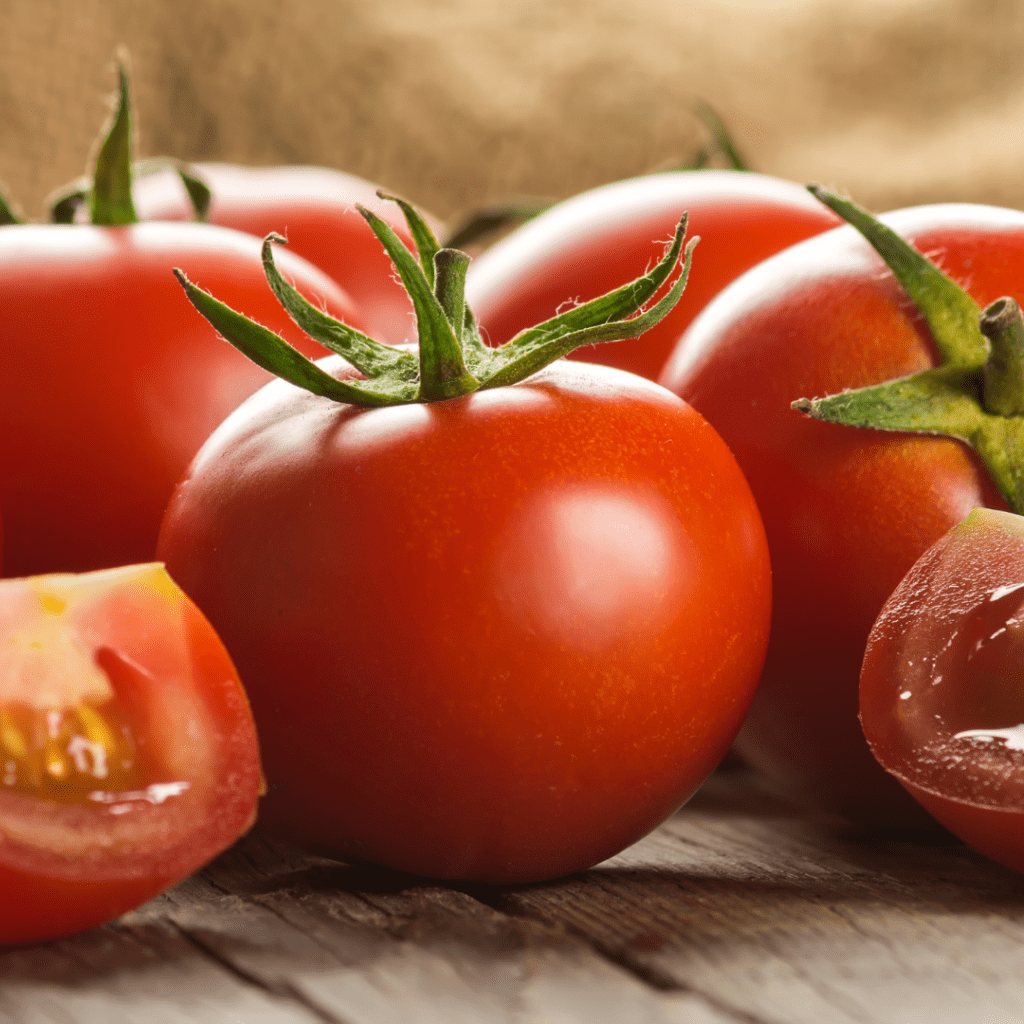
Tomatoes contain lycopene linked to heart protection.
Apples provide fiber that may help lower LDL cholesterol.
Strawberries and berries are rich in polyphenols that support healthy blood vessels.
Cranberries may help regulate blood sugar and blood pressure.
Choosing a plant-based diet for heart health is a winning strategy. Many of these foods are associated with lower risks of heart and other chronic diseases. Try a plant-based recipe from right here at the Black Girls Eat website:
Celebrating a True Black Heart Health Champion
Dr. Maggie Cadet’s work reminds us that prevention, education, and culturally relevant care matter. Her guidance helped me understand the deep connection between inflammation, food, and long-term wellness — and that knowledge shaped the mission of Black Girls Eat.
This Black History Month, we celebrate her as a leader advancing heart health for Black women and empowering patients to take control of their futures.
Heart disease doesn’t pause after February. Let’s hold each other accountable all year by learning our numbers, making nourishing choices, and supporting one another in building healthier lives.
Today, Dr. Cadet serves as Chief of Rheumatology at The Brooklyn Hospital Center, continuing her work with patients managing autoimmune and inflammatory diseases — conditions closely tied to cardiovascular risk. You can find Dr. Cadet on Instagram @drmaggiecadet

LA is a plant-based advocate from the Bronx with a focus on helping the community find tasty ways to get more fruits, grains and vegetables onto their plates. Want to stay connected?
- Follow on Instagram @blackgirlseat
- Subscribe to the newsletter, Recipes & Random-Ish
- Shop with LA at the Black Girls Eat Shop on Amazon
- Take the easy five day email class, Introduction to Plant-Based Nutrition
- Buy this New Yawker a cup of Kawfee buymeacoffee.com/blackgirlseat
- Sign up below for News and Updates